Before-and-after satellite images reveal the ongoing progress of a lavish palace complex under construction along Saudi Arabia's Red Sea coast, part of the larger Neom megacity project, which is expected to cost $500 billion. These images showcase the transformation of the estate.
The palace's development symbolizes the grandeur at the heart of Saudi Arabia's Vision 2030 under Crown Prince Mohammed bin Salman. The aim of the overall project is diversifying the kingdom's economy away from oil dependency. However, the project's ambitious scale contrasts with the financial challenges the country is facing due to falling oil prices.
Newsweek has reached out to Neom for comment.
Why It Matters
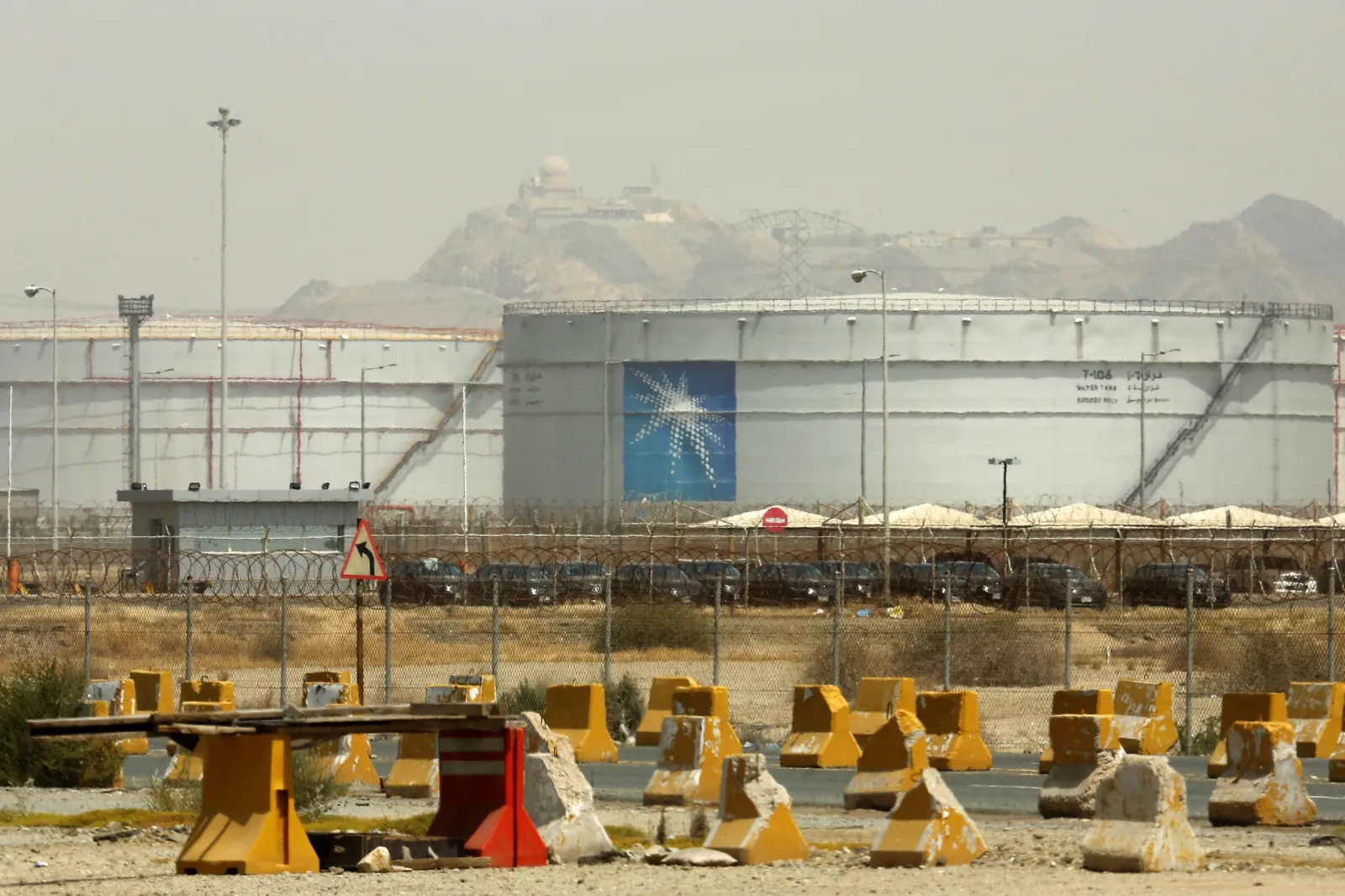
Saudi Arabia's economy has long relied on oil exports, leaving it vulnerable to fluctuations in crude prices. The recent drop from over $80 per barrel in January to around $60—a level far below the kingdom's break-even price—has sent ripples through the country's finances. As businesses prepare for an economic slowdown, the Neom megacity, with its transformative projects like The Line, represents Bin Salman's vision for economic diversification.
What To Know
Between January 2019 and October 2024, a remote stretch of Saudi Arabia's Red Sea coast has transformed from barren desert into what appears to be a sprawling luxury palace complex. The 2019 satellite image, via Google Earth, shows a sparse outpost with a small pier and minimal development. By 2024, the area features a large palace, helipads, manicured gardens, a golf course, and extensive landscaping, including artificial lagoons and tree-lined roads. The coastline has been re-engineered, and multiple villas now dot the site.
The Line
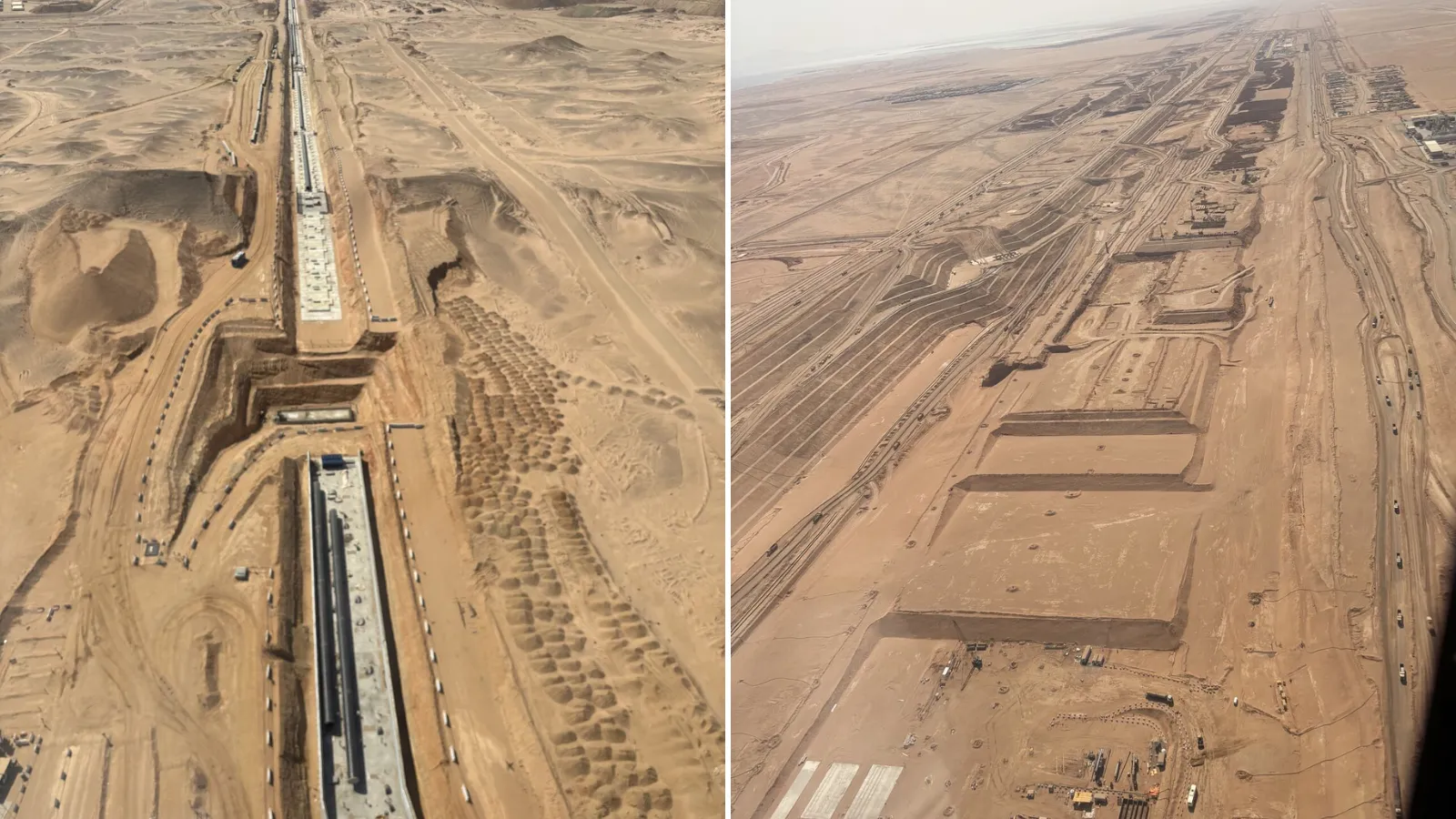
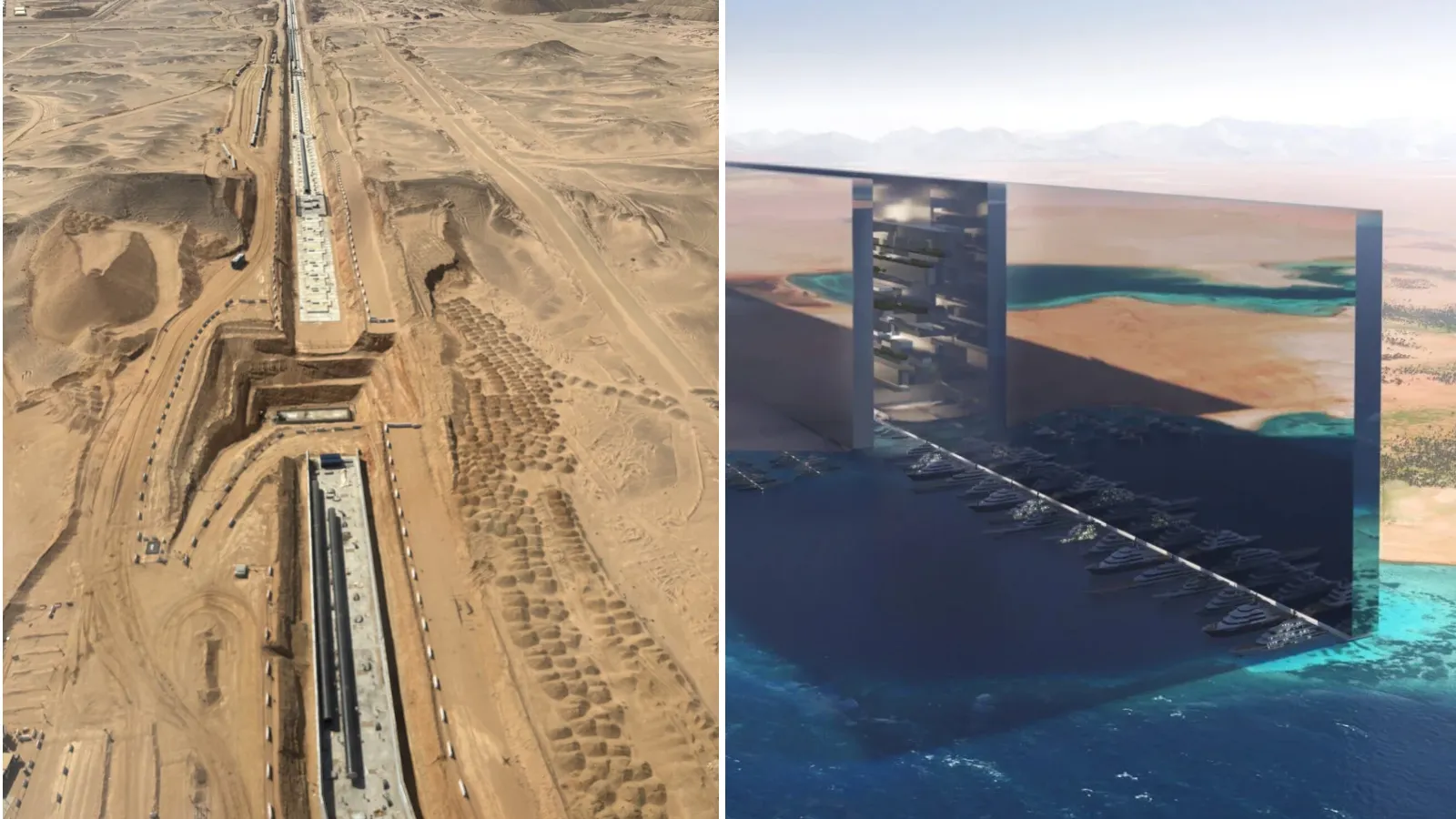
Neom is designed to transform Saudi Arabia's economy by focusing on technology, tourism, and innovation rather than oil. One of its most ambitious elements, The Line, is a proposed 170-kilometer city that promises to be car-free and powered by artificial intelligence. However, the project has faced delays and escalating costs, with only a small section of the city expected to be completed by 2030. Last month, Giles Pendleton, Chief Operating Officer for The Line, released new on-site photos showing ground infrastructure visibly taking shape. The images reveal the 200-meter-wide city outline emerging from the desert—offering one of the clearest confirmations yet that physical work on Neom's signature linear city has begun.
Economic Struggles
Saudi Arabia has long been exposed to the boom-and-bust cycles tied to oil prices. The recent downturn in oil costs, driven by geopolitical tensions and global market fluctuations, is testing the kingdom's fiscal stability. Although the government has made strides in diversifying its economy under the Crown Prince, the persistent volatility in oil prices forces businesses to prepare for leaner times. Neom has also drawn international criticism for alleged human rights violations, particularly concerning the displacement of the Huwaitat tribe. Environmental groups have also raised alarms over the project's ecological footprint.
What Happens Next
As satellite images continue to document the progress of the palace, the future of Neom and Saudi Arabia's broader economic vision remains uncertain. With oil prices remaining well below expectations, the kingdom must navigate these financial challenges while striving to complete the Neom megacity and fulfill its broader diversification goals.